

Quick Answers




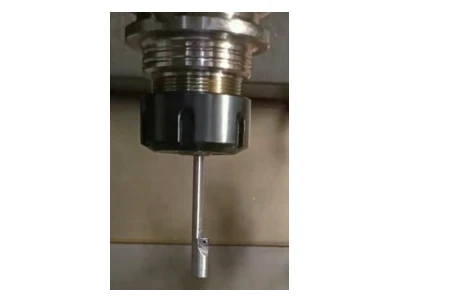

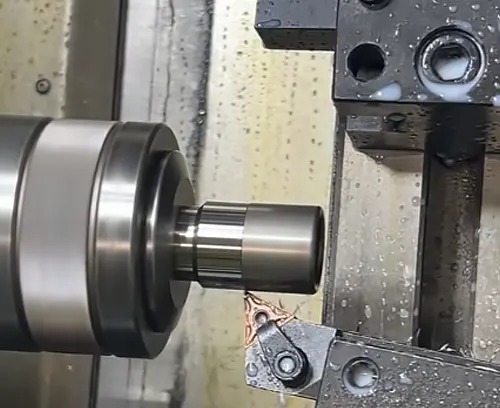

How do you machine a flat side inside a round hole?
When it comes to machining precision components, one common challenge faced by engineers is how to machine a flat side inside a round hole.
This task requires careful planning, the right tools, and a good understanding of machining techniques.
Step 1: Select the Right Tool for the Job
The first step in machining a flat side inside a round hole is selecting the right tool for the job.
In this case, you will need a boring bar or an end mill that is specifically designed for cutting flat surfaces inside a hole.
These tools come in a variety of sizes and shapes, so it is essential to choose one that is suitable for the size of the hole you are working with.
Step 2: Setup and Fixturing
Once you have selected the right tool, the next step is to set up and fixture the workpiece properly.
This involves securing the workpiece in a vice or a fixture to ensure that it remains stable during the machining process.
It is crucial to align the hole properly with the cutting tool to ensure accurate and consistent results.
Step 3: Establishing the Reference Plane
Before you begin machining, it is essential to establish a reference plane on the workpiece.
This will serve as a guide for cutting the flat side inside the round hole.
You can use a dial indicator or a precision level to ensure that the workpiece is aligned correctly before making any cuts.
Step 4: Cutting the Flat Side Inside the Round Hole
Now that everything is properly set up, it is time to start cutting the flat side inside the round hole.
Start by making light cuts and gradually increase the depth of cut until you have achieved the desired flat surface.
It is essential to use coolant during the cutting process to prevent overheating and ensure a smooth, finished product.
Step 5: Checking for Accuracy
Once you have finished cutting the flat side inside the round hole, it is essential to check for accuracy.
Use precision measuring tools such as calipers or micrometers to verify the dimensions and ensure that the flat surface is within the required tolerance. Make any necessary adjustments if needed.
Step 6: Final Inspection and Finishing
Finally, after machining the flat side inside the round hole, perform a final inspection to ensure that all dimensions and surface finishes meet the required specifications.
If everything looks good, you can proceed to complete the workpiece according to the project requirements, whether that involves painting, coating, or any other surface treatment.
Conclusion
Machining a flat side inside a round hole requires precision, attention to detail, and the right tools.
By following the steps outlined in this article, engineers with a manufacturing background can successfully machine a flat side inside a round hole with accuracy and efficiency.
Remember to carefully plan the process, select the appropriate tools, and perform thorough inspections to ensure high-quality results.